

Mastering CME Accreditation: 5 Common Pitfalls and Expert Strategies to Overcome Them
Expert Perspectives · Madelyne Fabrizio, BA, CHCP · 2025-02-26
CME accreditation can be a tricky topic, but don’t think you’re alone in the confusion. As a medical education professional, I’ve seen countless organizations grapple with the complex requirements of accreditation requirements. In this post, I’ll share the top 5 mistakes I’ve encountered and provide you with practical strategies to avoid them. Whether you’re new to CME or looking to improve your existing program, these insights will help you navigate the accreditation process with confidence
1. The Needs Assessment Dilemma
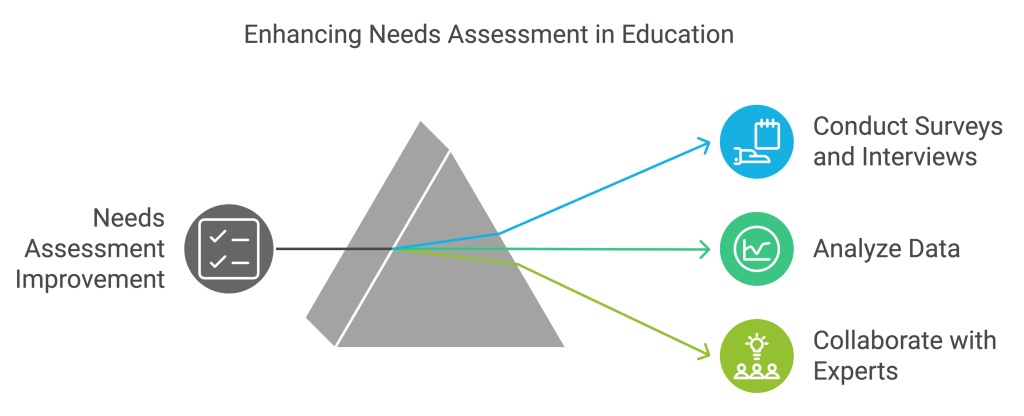
Common Mistake: Many organizations fall into the trap of conducting inadequate needs assessments. They might rely on outdated data, fail to thoroughly analyze their audience, or neglect to align educational needs with actual practice gaps.
How to Avoid It:
- Conduct comprehensive surveys and interviews with your target audience. Don’t just scratch the surface – dig deep to understand their real challenges and learning needs.
- Analyze current practice data and patient outcomes. This real-world information is gold when it comes to identifying true educational needs.
- Collaborate with subject matter experts to identify relevant practice gaps. Their insights can be invaluable in pinpointing areas where education can make a real difference.
Pro Tip: A solid needs assessment is the foundation of any successful CME program. Invest time here, and you’ll reap the benefits throughout your accreditation process.
2. Learning Objectives: The Make-or-Break Element
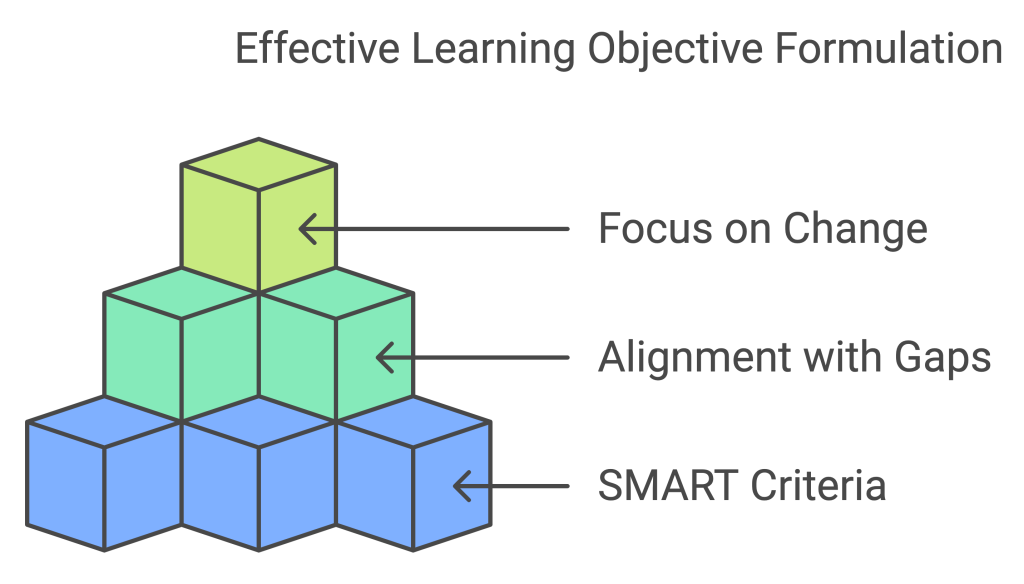
Common Mistake: Poor formulation of learning objectives is a frequent stumbling block. Objectives are often too vague, unmeasurable, or misaligned with the content. Some programs also fail to address higher-order thinking skills, focusing solely on knowledge acquisition.
How to Avoid It:
- Embrace the SMART criteria when crafting your objectives. Make them Specific, Measurable, Achievable, Relevant, and Time-bound.
- Align your objectives closely with the practice gaps you identified in your needs assessment. This ensures your education addresses real-world needs.
- Focus on observable and assessable changes in learner behavior or knowledge. Try incorporating action verbs like “demonstrate,” “analyze,” or “implement.”
Pro Tip: Have a colleague review your objectives. Fresh eyes can often spot areas for improvement that you might have missed.
3. The Documentation Dilemma
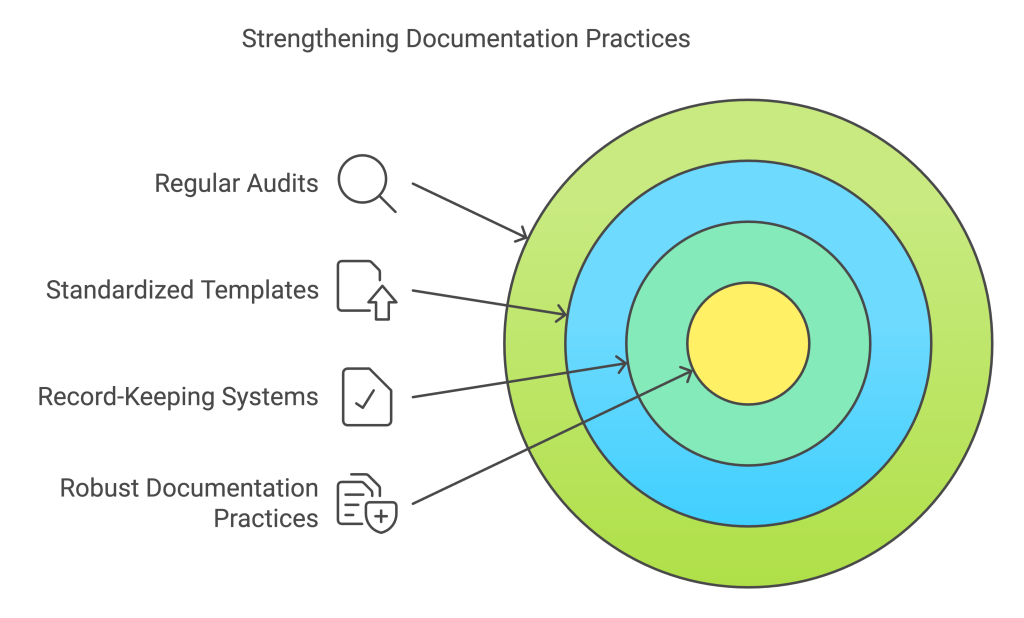
Common Mistake: Insufficient documentation is a common pitfall that can derail your accreditation efforts. This includes incomplete records of planning processes, lack of proper disclosure of relevant financial relationships, transparency with commercial support, and inadequate evaluation data collection and analysis.
How to Avoid It:
- Implement a robust record-keeping system. Consider using project management software to track all aspects of your CME planning and execution.
- Create standardized templates for planning, disclosure, and evaluation. This ensures consistency and completeness across all your programs.
- Regularly audit your documentation for completeness and accuracy. Schedule quarterly reviews to catch any gaps before they become issues.
- Create a checklist to ensure that all required documentation has been collected and store appropriately.
Pro Tip: In accreditation, if it’s not documented, it didn’t happen. Make thorough documentation a habit, and you’ll thank yourself later.
4. Navigating Independence and Content Validation
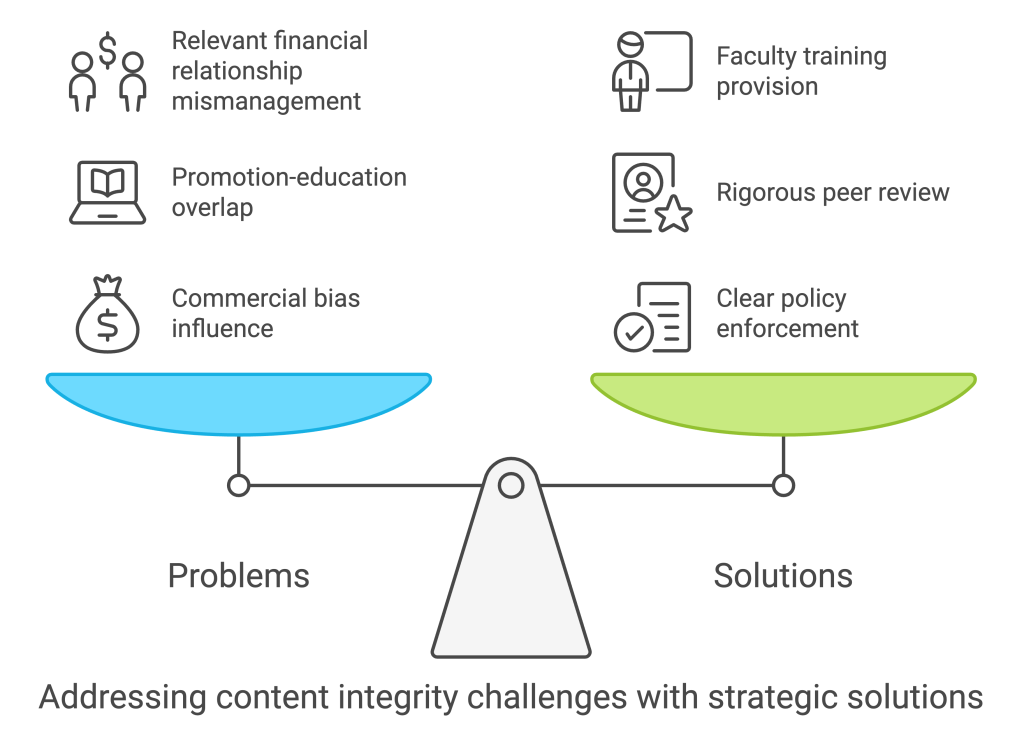
Common Mistake: Non-compliance with independence and content validation standards is a serious issue. This can include allowing commercial bias in content, insufficient separation between promotion and education, and failing to properly mitigate relevant financial relationships.
How to Avoid It:
- Develop and enforce clear policies on commercial support and relevant financial relationships. Make sure everyone involved in your CME programs understands and adheres to these policies.
- Implement a rigorous peer review process for all educational content. This helps ensure scientific integrity and catches potential biases before they reach your learners.
- Provide regular training to faculty and planners on maintaining scientific integrity and avoiding bias. Make this a key part of your onboarding process for new team members.
Pro Tip: Independence is non-negotiable in CME. By prioritizing it, you protect the integrity of your programs and build trust with your learners.
5. The Outcomes Measurement Challenge
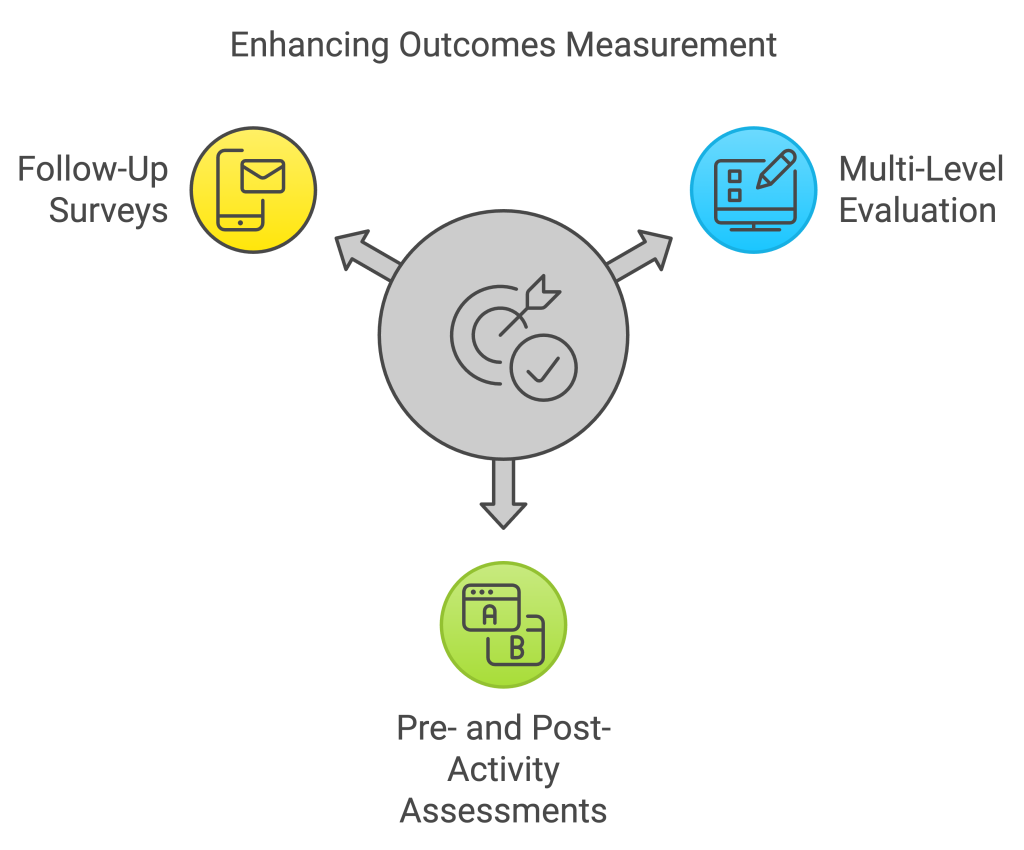
Common Mistake: Ineffective outcomes measurement is a common weak point. Many programs rely solely on participant satisfaction surveys, fail to assess changes in competence, performance, or patient outcomes, and lack long-term follow-up to measure impact.
How to Avoid It:
- Design multi-level evaluation strategies using frameworks like Moore’s seven levels of CME outcomes. This provides a comprehensive view of your program’s impact.
- Utilize pre- and post-activity assessments to measure changes in knowledge and competence. This gives you concrete data on the immediate impact of your education.
- Implement follow-up surveys or audits to assess long-term, actual performance/practice changes. Consider partnering with healthcare organizations to track relevant quality metrics over time.
Pro Tip: Meaningful outcomes data not only satisfies accreditation requirements but also helps you continuously improve your CME offerings by identifying additional gaps thereby helping you plan effective future CME offerings.
Conclusion: Your Path to CME Accreditation Excellence
Navigating CME accreditation doesn’t have to be a daunting task. By avoiding these common CME accreditation pitfalls and implementing the strategies we’ve discussed, you can create robust, impactful CME programs that not only meet accreditation standards but truly enhance healthcare practice.
Key takeaways:
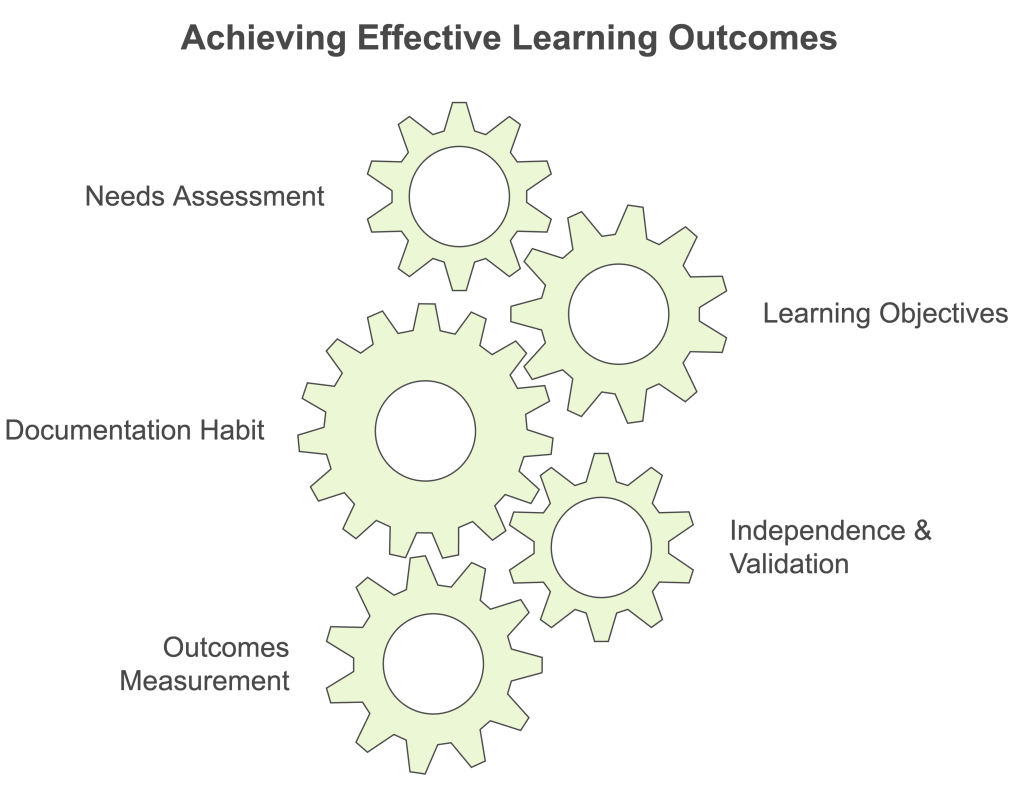
- Invest time in thorough needs assessments
- Craft clear, measurable learning objectives
- Make comprehensive documentation a habit
- Prioritize independence and content validation
- Implement multi-level outcomes measurement
Remember, CME accreditation is not just about checking boxes. It’s about creating educational experiences that improve healthcare outcomes. By focusing on these areas, you’re not just satisfying accreditors – you’re making a real difference in patient care. Refresh your memory on the ACCME’s Criteria here!
To provide a visual explanation for everything we covered in this blog, download our Accreditation Pitfalls Cheat Sheet (and How to Avoid Them).