
EdTech & Innovation
Aviation CRM Training Linked to Resuscitation Skill Gains in Medical Students
García-Martos et alMedical science educator
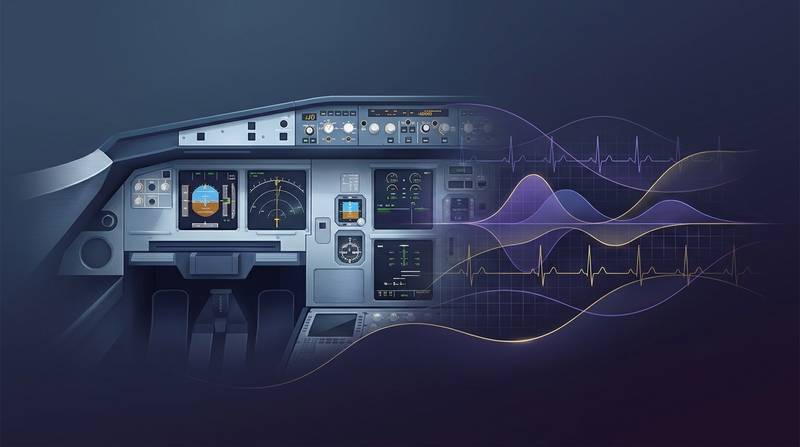
Suboptimal teamwork and human error can impair performance during cardiac arrest. While standard immediate life support (ILS) courses focus on technical skills, structured crisis resource management (CRM) and non-technical skills (NTS) training are less frequently integrated into undergraduate curricula.
A prospective observational study with repeated measures (before-and-after) evaluated an aviation-derived CRM curriculum innovation in a single cohort of final-year medical students without prior advanced cardiopulmonary resuscitation (CPR) or formal NTS training. The educational intervention comprised two consecutive stages: technical skills (TS) training delivering a standardized ILS course aligned with European Resuscitation Council (ERC) guidelines, followed by CRM training adapted from the aviation industry.
Technical performance was evaluated using the validated ERC scale, and non-technical performance was evaluated using the Ottawa CRM Global Rating Scale. Analyses included analysis of variance (ANOVA), multivariate analysis of variance (MANOVA), multiple linear regression to examine predictors of post-training performance, and bootstrap sensitivity analyses (team-level paired resampling and residual resampling from the blocked ANOVA model) with 5,000 resamples.
Following CRM training, statistically significant improvements were observed in both skill domains: TS scores rose from 38.83 [36.84–40.83] to 43.33 [41.23–45.22] (p = 0.0151), and NTS scores rose from 24.39 [22.88–25.90] to 29.94 [28.44–31.45] (p = 0.000297). The authors concluded that integrating aviation-inspired CRM safety strategies into undergraduate CPR training is feasible and associated with significant gains in technical and non-technical performance, supporting the incorporation of structured CRM content into medical curricula and providing a rationale for longitudinal reinforcement.
Key Takeaways
- Following aviation-derived crisis resource management training, technical skills scores assessed via the European Resuscitation Council scale increased from 38.83 [36.84–40.83] to 43.33 [41.23–45.22] (p = 0.0151).
- Non-technical skills scores on the Ottawa CRM Global Rating Scale increased from 24.39 [22.88–25.90] to 29.94 [28.44–31.45] (p = 0.000297), with 5,000 bootstrap resamples supporting these findings as confidence intervals for post-pre differences remained above zero.
Read the original sourceMedical science educator